

We're Here to Assist You
Rodent Prevention: A Recent Job & Some Homeowner Tips
Category: Holiday
Published: 02 July, 2026
By Rick, Owner, Ace Ventura Pest & Wildlife Control
What I Walked Into
July is not usually the month people expect to call me about rodents, but I get plenty of those calls around Greater Sacramento this time of year. A lot of homeowners think rodents only become a problem once the weather cools down. In reality, summer is often when they're finding reliable food, water, and shelter around a property.
One call earlier this month started with what seemed like a small issue. The homeowner had noticed a torn bag of grass seed in the garage and a few droppings near a storage shelf. They cleaned everything up and figured that would be the end of it.
A few days later, the droppings were back. One evening they also heard movement near the back wall of the garage, and that was enough to make them give us a call.
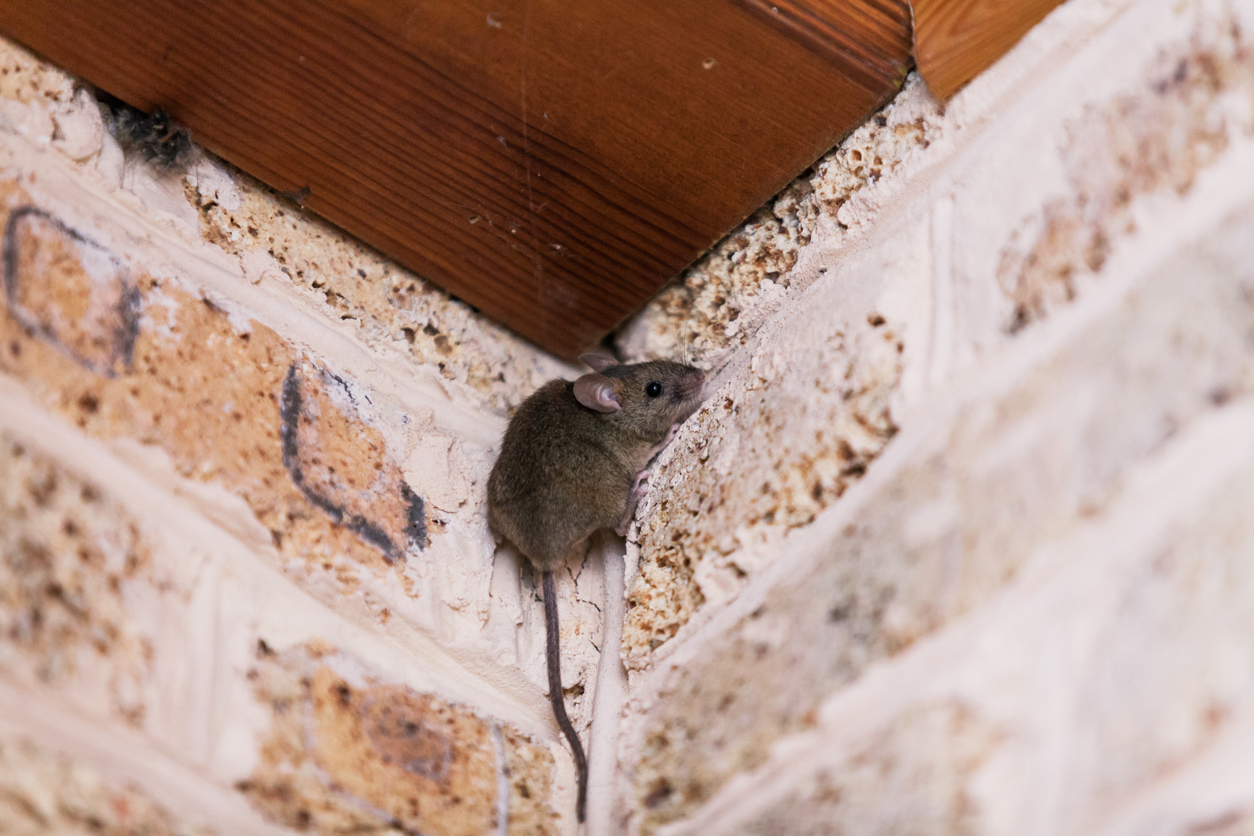
When I arrived, I started where they had seen the activity. It did not take long to find more signs. There were droppings behind a stack of storage boxes, chew marks on a bag of bird seed, and a narrow gap near one corner of the garage door that immediately caught my attention.
The Problem
The first thing I explain to homeowners is that rodents are always looking for the same three things:
food, water, and a safe place to hide. If a property offers all three, they usually stick around.
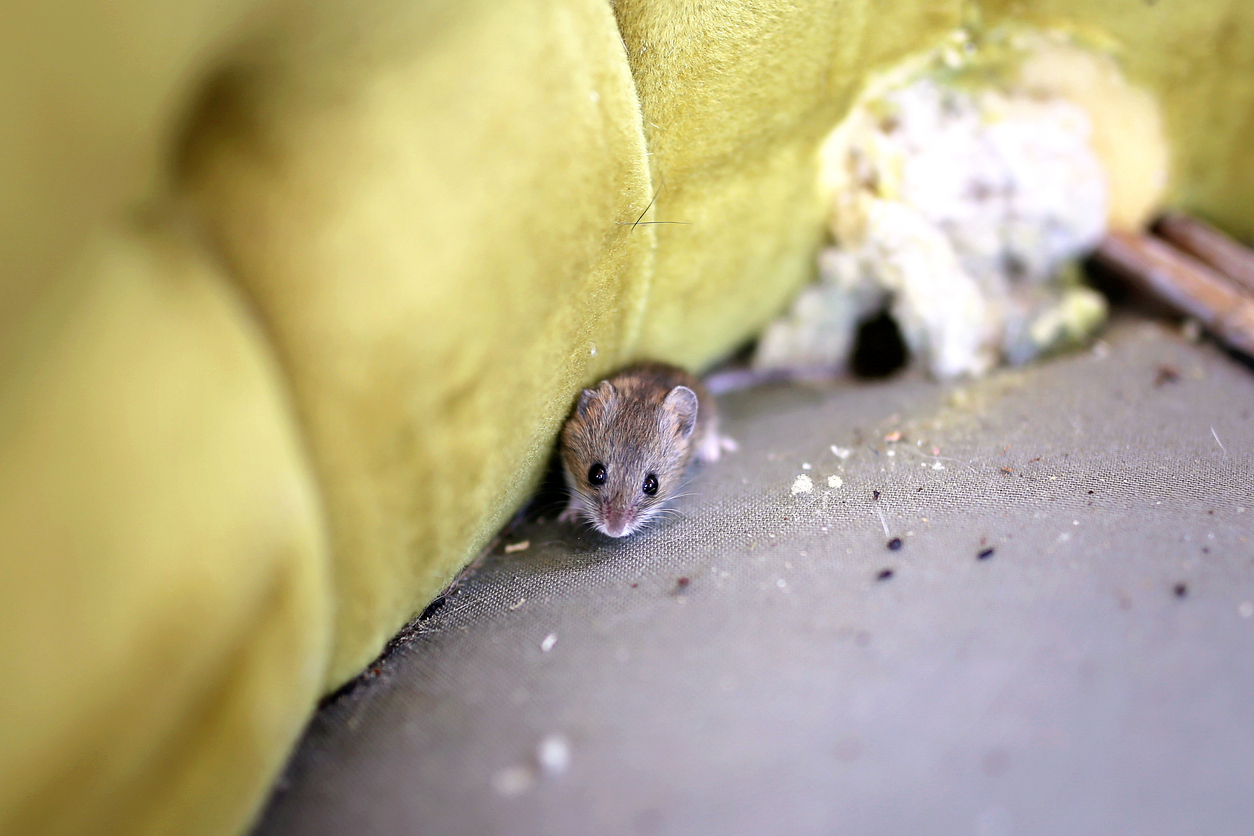
What we found was not one major issue. It was several small ones.
1. Bird seed and pet food were being stored in bags that were easy to chew through.
2. A small irrigation leak was keeping one section of landscaping damp throughout the day.
3. Shrubs along one side of the house had grown close enough to provide plenty of cover.
None of those things stand out on their own. But together, they created a property that rodents were happy to keep coming back to.
The homeowner told me the hardest part was not knowing how much activity was really happening. Every time they opened a storage bin or moved something in the garage, they expected to find more droppings.
That uncertainty is what bothers most people. It is not always the damage. It is wondering what is happening when the lights are off.
The Process
I walked the property with the homeowner before doing anything else. I like showing people what I am seeing because rodent prevention is just as much about removing the attraction as it is about dealing with the rodents themselves.
We started by sealing the gap near the garage door and checking the rest of the exterior for similar openings. Small gaps are easy to miss, but they are often all a rodent needs.
Next, we went through the garage together. Bird seed and pet food were moved into sealed containers, and we reorganized a few storage areas that had become easy hiding spots.
Outside, we looked at the irrigation leak and talked about trimming back the shrubs that were touching the house. Rodents prefer moving under cover whenever they can, so opening those areas up makes a difference.
Once those conditions were addressed, I placed control measures where the activity was most concentrated and explained why each location had been chosen.
The point is not just to get rid of the rodents that are already there. The point is to make the property less inviting so new ones are less likely to move in.
The Outcome
When I checked back about a week later, the homeowner said they had not found any new droppings in the garage and had not heard any more movement along the walls.
They also mentioned something I hear quite a bit. The garage finally felt normal again. They were no longer expecting to find signs of rodents every time they grabbed something off a shelf.
The changes around the property helped too. The landscaping was cleaner, the storage areas were better organized, and they had a much better understanding of what had attracted the rodents in the first place.
That is usually the goal. Catch the problem early, fix the conditions that caused it, and keep it from turning into something much bigger.
"It's brighter than before!"
— Megan
DIY Advice
Here are the same things I recommend homeowners check during the summer:
1. Store bird seed, pet food, and grass seed in sealed plastic or metal containers instead of leaving them in bags.
2. Check garages, sheds, and storage rooms regularly for droppings, chew marks, or nesting material.
3. Inspect around garage doors, utility lines, vents, and exterior walls for small gaps that could be used as entry points.
4. Fix leaking irrigation lines, hose bibs, or other water sources that stay wet for long periods.
5. Trim shrubs and vegetation so they are not providing easy cover next to the house.
6. Keep storage areas organized so rodents have fewer places to hide.
Professional Insight
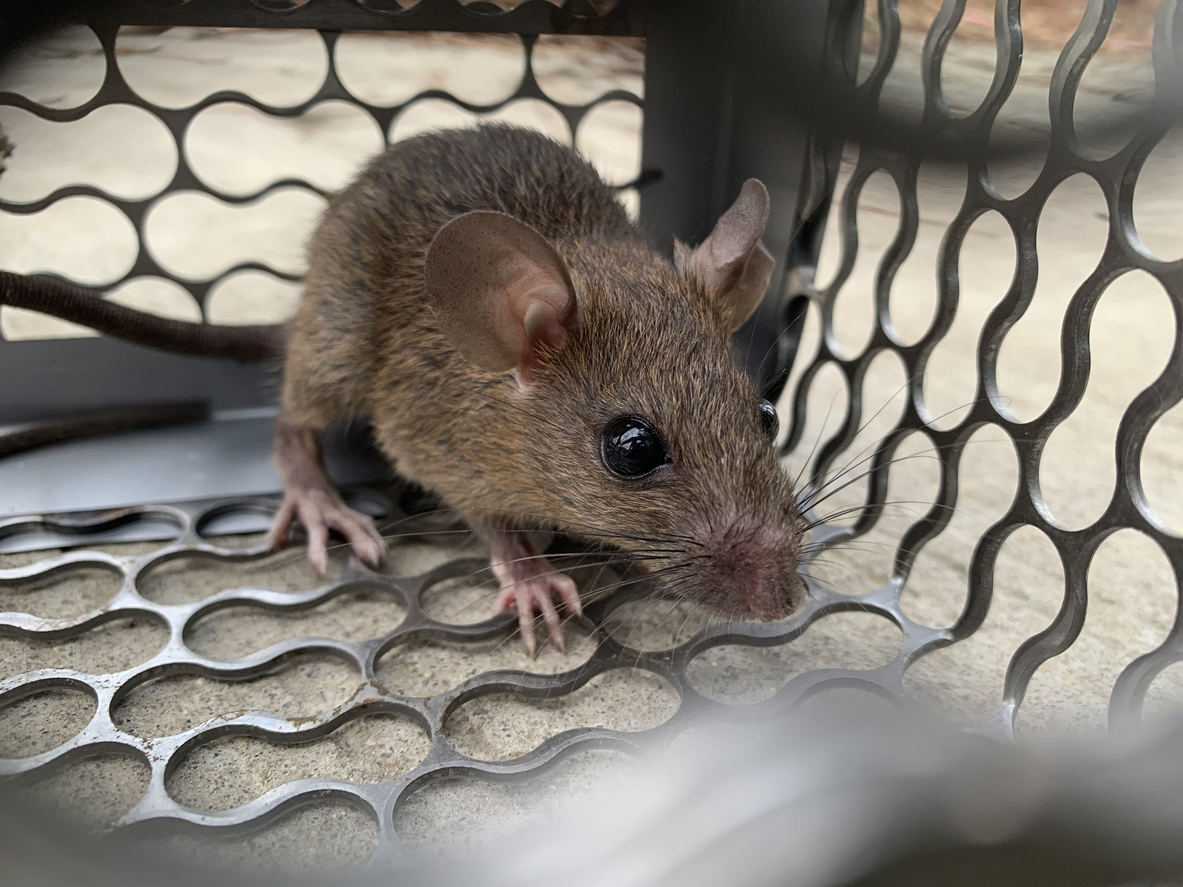
Around Greater Sacramento, rodent problems often begin long before homeowners actually see a rodent.
By the time droppings start showing up in the garage or attic, the rodents have usually been using the property for a while.
That is why I pay close attention to food storage, irrigation, landscaping, and small entry points during every inspection. Most of the time, it is a combination of several small conditions rather than one obvious problem.
If you are seeing the same signs over and over after cleaning them up, it usually makes sense to have someone take a closer look at the entire property instead of focusing on one room.
Closing Thoughts
Most of the rodent calls I handle in July begin with a homeowner noticing something small and wondering if it is worth worrying about.
More often than not, it is.
If you are seeing droppings, chew marks, or signs of activity around your garage, attic, or storage areas, it is worth taking a closer look before those small warning signs become a much bigger problem.
– Rick
Stay safe, stay connected, and take good care of your home this month.
– Thomas
Owner, Thomas & Sons Electrical Contractors
Address
8462 Joe Rodgers Rd, Granite Bay, CA, 95746

© 2025 Ace Ventura Pest & Wildlife Control. All rights reserved.