

We're Here to Assist You
Wasp Nest Removal: A Recent Job & Some Homeowner Tips
Category: Holiday
Published: 01 May, 2026
By Rick, Owner, Ace Ventura Pest & Wildlife Control
What I Walked Into
May is when I start getting more calls about wasps around Greater Sacramento. The weather warms up, people are spending more time outside, and that’s usually when nests start getting noticed.
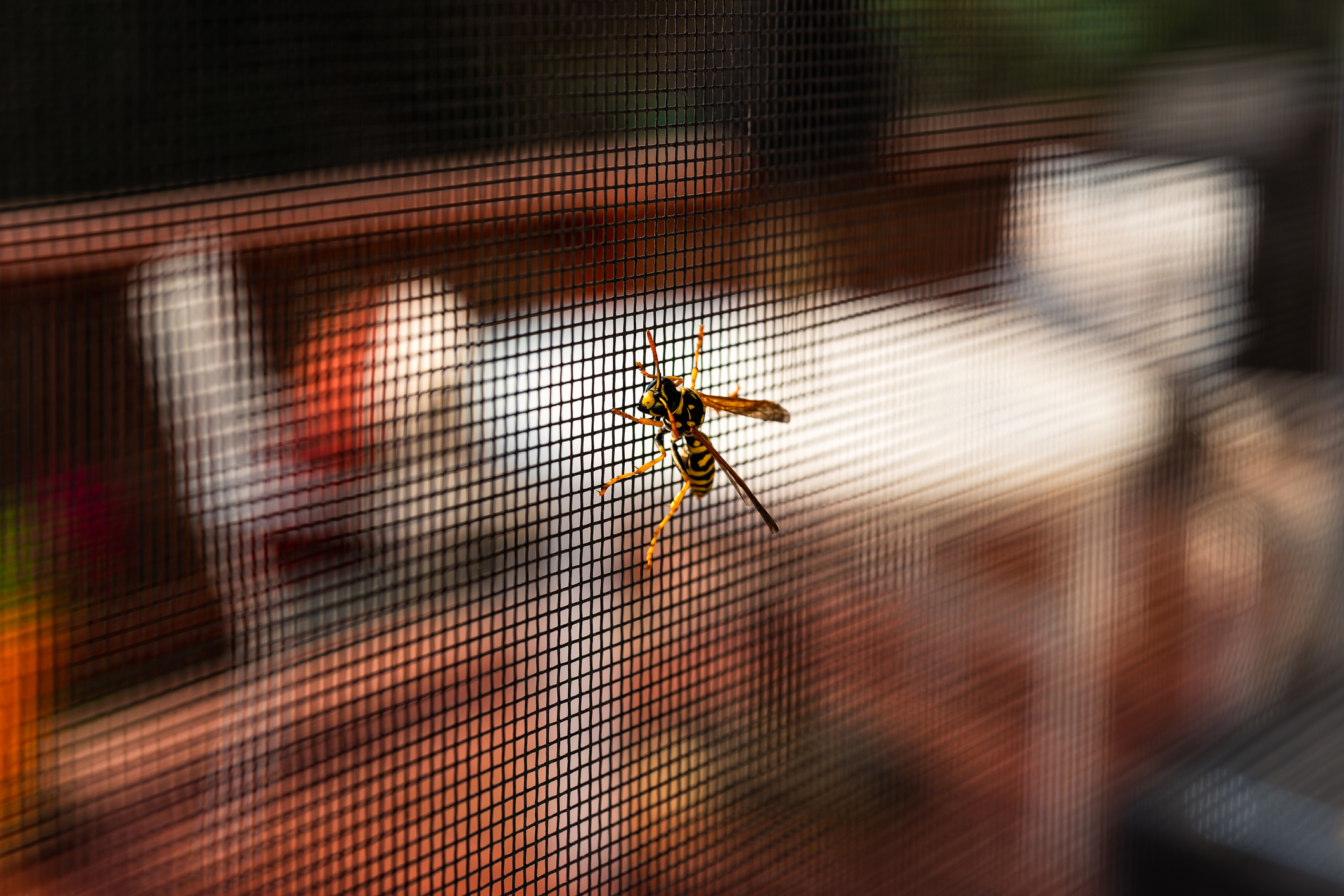
Earlier this month, a homeowner reached out after seeing wasps flying in and out of the corner of their roofline near the back patio. They said it started with one or two, but within a week there were several going in and out of the same spot. What concerned them most was that it was right above where their kids play.
When I arrived, I stood back for a minute and watched the activity. It didn’t take long to confirm there was an active nest tucked up under the eaves. You couldn’t see it clearly from the ground, but the flight pattern gave it away.
The Problem
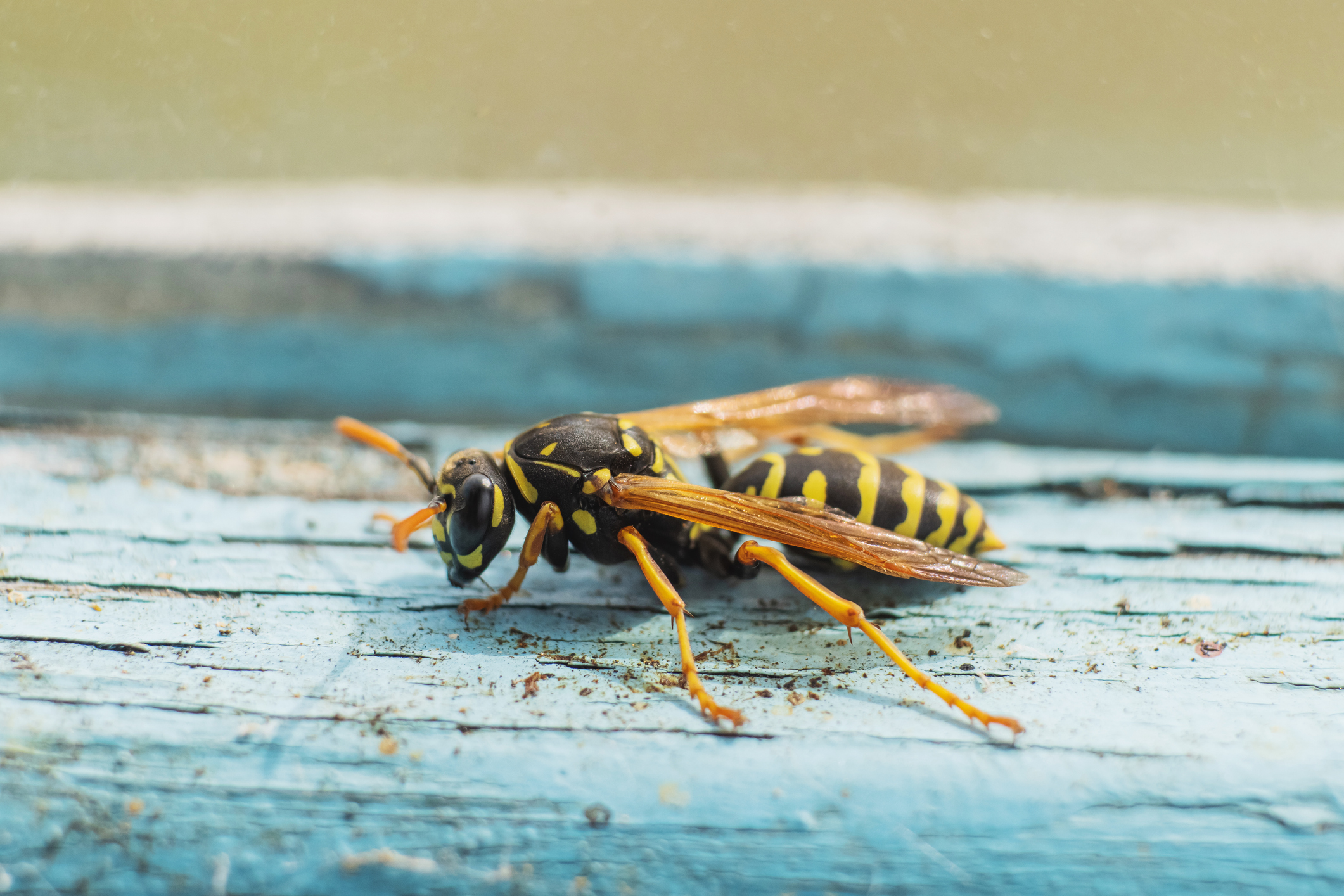
Wasps become a problem pretty quickly once a nest is established. Early on, it might not seem like much — just a few flying around here and there — but that usually means the nest is already being built and getting larger by the day.
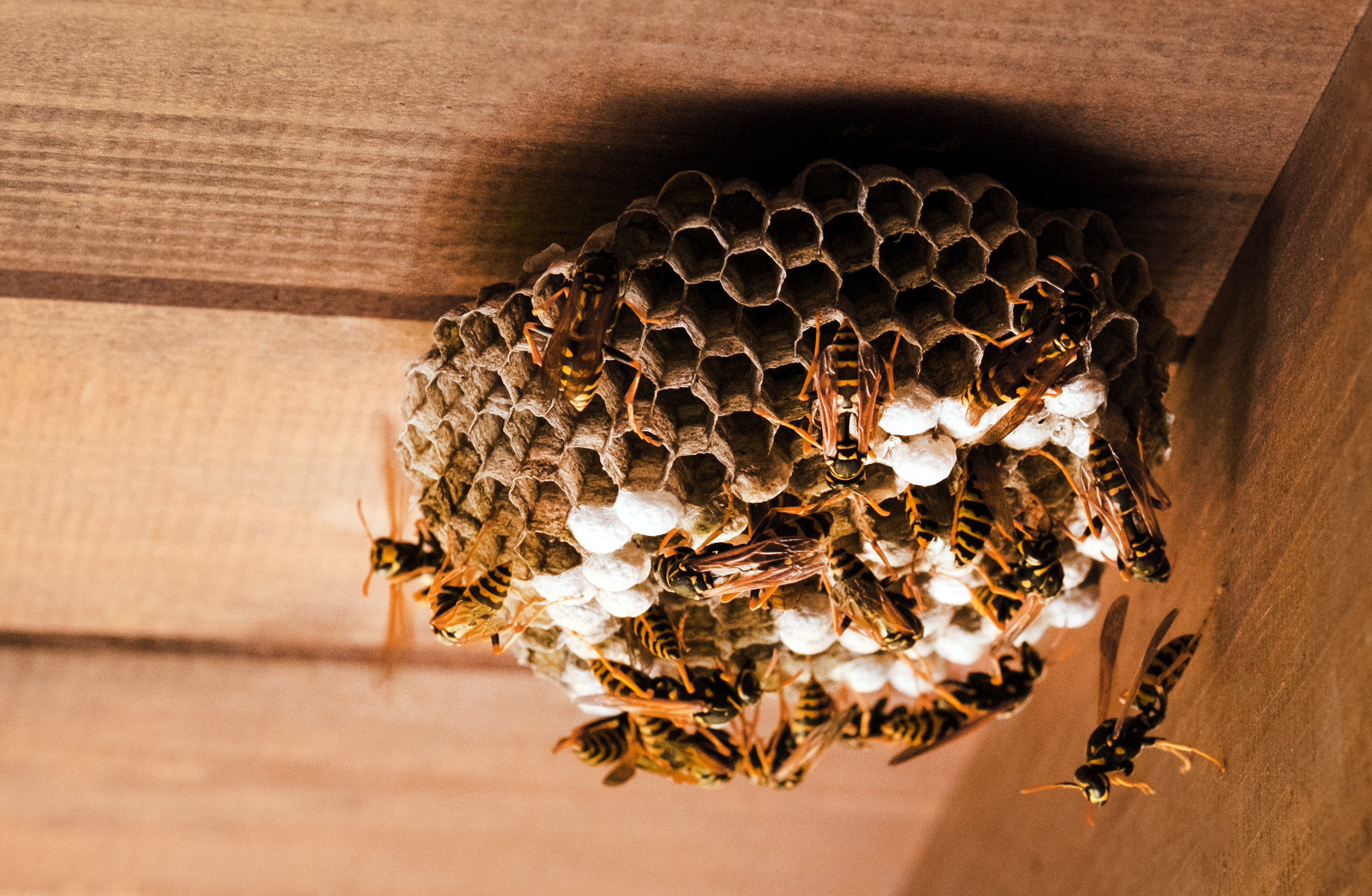
During the inspection, I found the nest was partially hidden behind a small gap where the roofline met the fascia. That kind of spot works well for wasps because it protects them from wind and rain and keeps the nest out of sight from the ground. Most homeowners don’t notice anything until the activity picks up.
I also stood back for a few minutes and watched the pattern. The same group of wasps kept flying in and out of that exact gap, which confirmed it was an active nest, not just random activity.
The issue with wasps isn’t just that they’re there — it’s how they react when they feel their nest is being approached. They’re protective, and once they start seeing movement nearby, they can become aggressive quickly. Having that kind of activity right above a patio or near a door makes people uneasy, especially with kids or pets around.
The homeowner told me they had already stopped using their backyard because of it. They didn’t feel comfortable sitting outside or letting their kids play under that area. That’s usually when it goes from being something small to something that needs to be handled right away.
The Process
The first thing I did was confirm the exact location and size of the nest so I knew what I was dealing with. With wasps, timing matters, so I planned the treatment for later in the day when most of them return to the nest and activity slows down.
Once everything was set, I applied a targeted treatment directly into the nesting area. The goal is to reach the nest itself and eliminate the source, not just deal with the wasps flying around outside.
After the activity dropped, I carefully removed what was left of the nest and cleaned the area. I then sealed the gap where they had built it. That step is important because if that opening is left as it is, it can attract new wasps later in the season.
Throughout the job, I explained each step so they knew what was happening and what to expect over the next day or two. I always want people to understand the process, not just see the end result.
The Outcome
Within a day, the wasp activity around the patio stopped. When I followed up, the homeowner said they hadn’t seen any wasps returning to that area, even during the times of day when they were most active before.
They mentioned the biggest difference was being able to use their backyard again without thinking twice about it. Before the treatment, they were avoiding that part of the house completely. Afterward, it felt like a normal space again, especially for their kids.
Catching it when they did helped keep it from turning into a larger nest, which can be much harder to deal with later in the season.
"It's brighter than before!"
— Megan
DIY Advice
Before I left, I shared a few simple things they could keep an eye on moving forward. I told them to watch for wasps flying in and out of the same spot, since that’s usually one of the first signs something is starting. It also helps to take a look around rooflines, eaves, and corners of the house every couple of weeks, just to catch anything early.
I mentioned sealing up any small gaps or openings where a nest could be built, and keeping outdoor areas clean, especially anywhere food or drinks are left out. Even doing a quick check around patios or play areas before using them can go a long way.
I explained that early signs are usually easy to spot once you know what to look for. Seeing a wasp here and there is normal, but if they’re going back and forth to the same spot, there’s a good chance a nest is forming.
A few days later, they told me they had already started doing quick checks around the house and felt a lot more at ease knowing what to watch for. That kind of awareness really does make a difference.
Professional Insight
Wasp problems are very seasonal, and May is when nests start becoming active across Greater Sacramento. Early on, they’re smaller and easier to manage, but they don’t stay that way for long.
You can spot early activity on your own, but once a nest is established in a hard-to-reach area, it’s usually better handled properly the first time. Trying to deal with it without the right approach can make the situation worse.
The key is identifying the nest early and addressing it before it grows.
Closing Thoughts
Most wasp calls I get this time of year start with someone noticing a little more activity than usual and not thinking much of it at first.
If you’re in Greater Sacramento and you see wasps coming and going from the same spot, it’s worth taking a closer look. Catching it early makes things much easier to handle.
– Rick
Stay safe, stay connected, and take good care of your home this month.
– Thomas
Owner, Thomas & Sons Electrical Contractors
Address
8462 Joe Rodgers Rd, Granite Bay, CA, 95746

© 2025 Ace Ventura Pest & Wildlife Control. All rights reserved.