

We're Here to Assist You
Rodents: A Recent Granite Bay Job & Some Takeaway Advice For Homeowners
Category: Holiday
Published: 15 Feb 2026
By Rick, Owner, Ace Ventura Pest & Wildlife Control
What I Walked Into
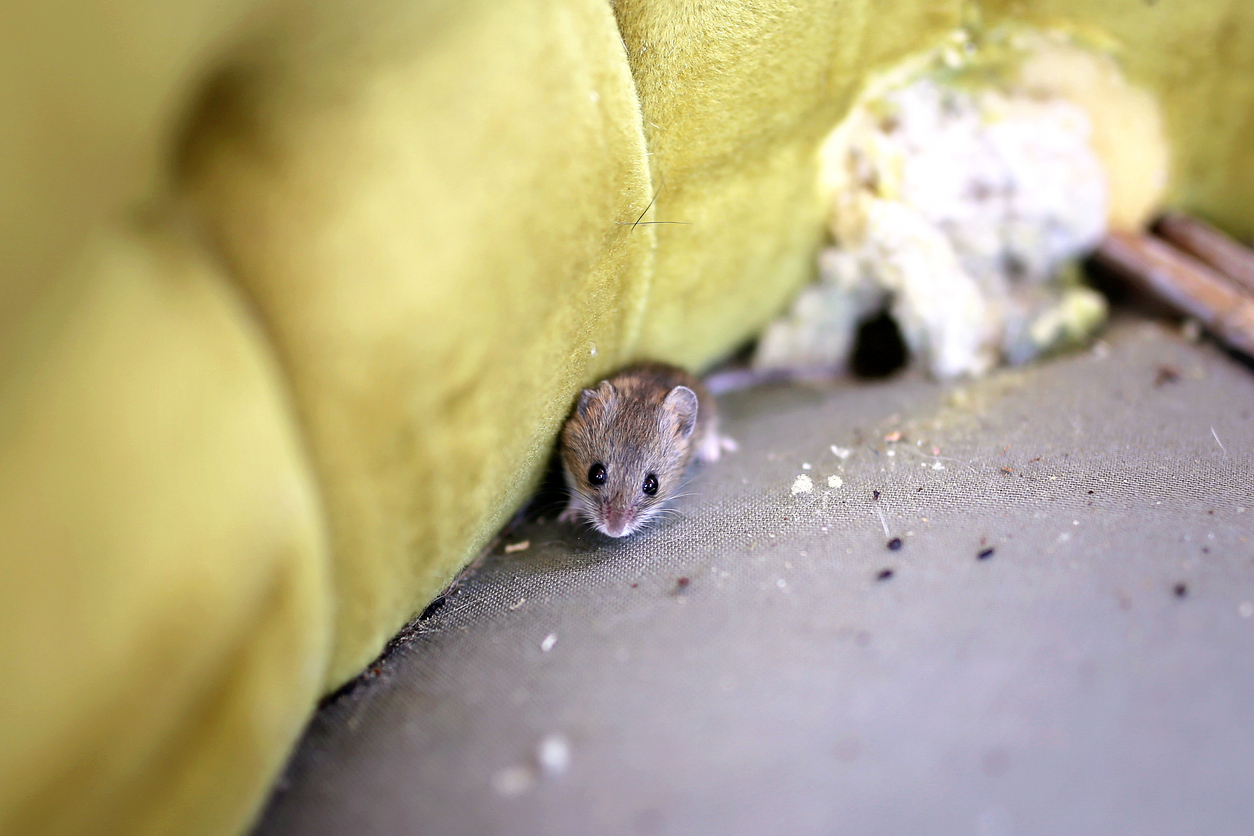
Every February, without fail, I get a call that reminds me how quickly mice can turn a small problem into a big one. Earlier this month, a homeowner in Granite Bay reached out after she noticed tiny scratching sounds under her kitchen sink. She told me she found a couple of droppings and a torn-up sponge but didn’t think much of it at first. When she heard the noise again the next night — a little louder this time — she decided it was worth having someone look.
When I opened the cabinet, I saw the usual signs: droppings tucked along the back edge, chew marks on a bag of rice, and bits of insulation pulled down from around the pipes. What caught my eye, though, was the start of a nesting spot. That’s usually a sign there’s more than one mouse around — especially this time of year.

The Problem
What the homeowner didn’t know was that February is when mice really start pairing up and preparing for their first litters of the year. This is the time they get active behind the scenes, building nests and settling into warm corners. It only takes one or two sheltered spots for things to grow quickly without anyone noticing.
During the inspection, a few things stood out right away. Behind the dishwasher, I found fresh chew marks along the insulation and a small pile of shredded material that looked like the start of a nest. In the pantry, there was a thin line of food dust that had been tracked behind some boxes — a sign that mice had been coming and going for at least a week or two. When I checked the lower cabinets, I found a second nesting pocket tucked behind an old stack of reusable grocery bags that hadn’t been moved in months.
The biggest concern wasn’t the physical damage — it was the timing. February is the start of their breeding season, and mice multiply fast once they feel safe. I explained to the homeowner that one pair can produce several litters in just a couple of months. When she heard that, she realized how close things were to getting out of control. What seemed like a few small signs could have turned into a large infestation before spring even arrived.
The Process
I started by sealing the obvious entry points to stop new mice from slipping in. Under the kitchen sink, there was a small gap around a water line that they had been squeezing through. Outside, behind the dryer vent, the mesh screen was torn just enough for a mouse to crawl in. Near the back patio, the siding and foundation had separated slightly, leaving a narrow opening that didn’t look like much at first glance, but it was wide enough for a mouse. These tiny gaps are exactly what rodents look for — quiet, hidden, and just big enough to squeeze through.
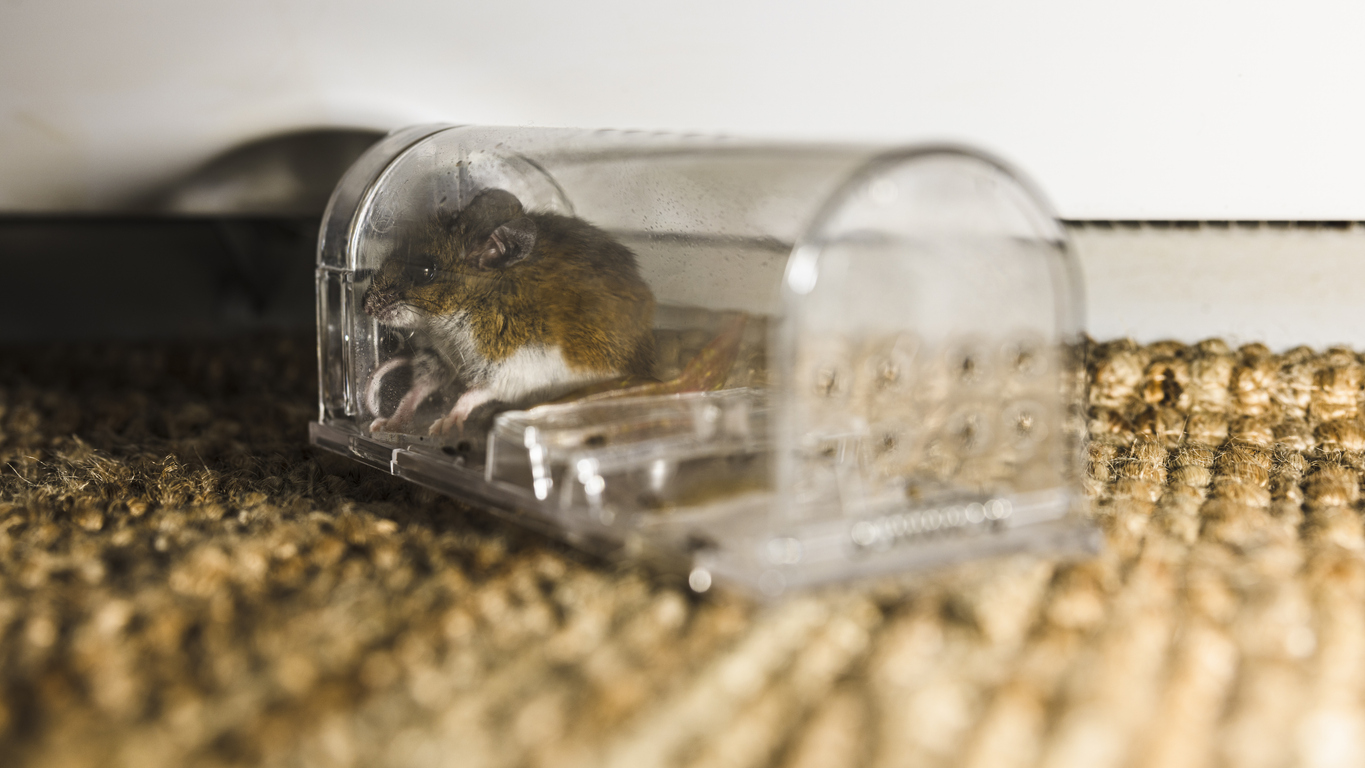
Once the home was properly sealed, I set up a mix of traps in the areas with the most activity: the kitchen cabinet, the pantry, and the attic. I also removed the early nesting materials so the mice wouldn’t have anything comfortable to return to. While I worked, I made sure to show the homeowner what I was finding and explain what each sign meant. It’s important for people to understand not just what’s happening, but why certain steps matter.
For the food dust and crumbs that had collected in a few corners, I walked her through a simple cleanup routine. Nothing complicated — just small habits that help cut off food sources. I also pointed out a few spots she might want to check once in a while, like under the sink and behind lower appliances.
The Outcome
Within about a week, everything quieted down. The traps did their job, and when I went back to check the house, there weren’t any new droppings, chew marks, or movement on the cameras we set up. All the entry points we sealed were still holding strong, which told me the mice weren’t trying to get back in.
The homeowner mentioned she finally stopped doing that little “pause and look around” every time she walked into the kitchen at night. She said the house just felt normal again — no scratching, no rustling, no surprises in the pantry. You could tell the whole situation had been weighing on her, and getting it under control made a big difference.
What helped the most was that she caught it early. With February marking the start of breeding season, things could’ve escalated quickly. Taking action when she did kept it from turning into a much bigger problem, and she said that gave her a lot of peace of mind.
"It's brighter than before!"
— Megan
DIY Advice
Before I wrapped up, I gave her a few simple things she could keep up with on her own:
✔ Keep dry food in sealed containers
✔ Don’t leave pet food out overnight
✔ Check under sinks and behind appliances every couple of weeks
✔ Reduce clutter in storage areas — mice love places with lots of hiding spots
✔ Keep bags, towels, and cleaning supplies off the floor in the pantry
Professional Insight
Mice are especially sneaky this time of year because most of their activity happens in hidden spots. You can seal small gaps and manage food storage on your own, but once they start nesting — especially during mating season — the problem can grow faster than most people expect. Getting ahead of it early can save a lot of headaches down the road.
Closing Thoughts
This job was another reminder of how quickly things can change during rodent season. If you’re in Granite Bay or nearby and you’re hearing noises, seeing droppings, or noticing anything that doesn’t feel right, it’s worth looking into right away. Catching it early makes all the difference.
Stay safe, stay connected, and take good care of your home this month.
– Thomas
Owner, Thomas & Sons Electrical Contractors
Address
8462 Joe Rodgers Rd, Granite Bay, CA, 95746

© 2025 Ace Ventura Pest & Wildlife Control. All rights reserved.